A well-arranged property creates a comfortable atmosphere where families can enjoy their daily activities. Vastu Shastra is an ancient Indian architectural tradition that considers directions, natural elements, room arrangements, and spatial balance. Vastu Dosh Ka Nivaran is an important subject for homeowners who follow these traditional principles while organising their living or working spaces. It involves understanding possible structural imbalances and considering suitable corrective measures. By combining traditional knowledge with practical improvements, individuals can develop surroundings that reflect their preferences, cultural values, and everyday requirements.
Vastu principles traditionally associate different directions with particular elements and energies. For example, the northeast direction receives special attention in several Vastu interpretations, while other directions have their own recommended uses. The arrangement of entrances, kitchens, bedrooms, and prayer spaces may also influence a property’s traditional assessment. However, every building has different structural limitations. Therefore, understanding the complete layout is more useful than applying general rules without considering the actual property.
Common Signs of Vastu Imbalance in Properties
Homeowners sometimes consult Vastu specialists when they feel dissatisfied with their property’s arrangement or plan significant renovations. Certain structural features may differ from traditional recommendations. These include poorly positioned entrances, unsuitable room arrangements, restricted sunlight, and overcrowded spaces. Vastu Dosh Ka Nivaran begins with identifying such concerns instead of immediately selecting a remedy.
Nevertheless, these conditions do not automatically indicate negative energy or future difficulties. Poor ventilation, inadequate lighting, and inconvenient layouts can create practical discomfort. Consequently, homeowners should consider architectural improvements alongside traditional recommendations. A detailed assessment helps identify realistic changes that suit the property’s construction and available space.
Traditional Methods for Vastu Dosh Ka Nivaran
Vastu Shastra describes different approaches for addressing perceived imbalances within residential and commercial properties. Some recommendations involve rearranging furniture, improving natural lighting, maintaining cleanliness, and organising rooms according to traditional directional principles. Vastu Dosh Ka Nivaran may also involve spiritual practices when individuals prefer religious remedies.
Traditional options can include mantra chanting, yantra installation, prayers, and specific worship procedures. The selection depends on the nature of the concern and the practitioner’s recommendations. However, not every property requires an elaborate ceremony. Simple adjustments may be sufficient for certain layout-related concerns. Understanding the purpose of each suggestion helps homeowners make sensible decisions.
Role of Directions and Natural Elements
Directions play a central role in traditional Vastu interpretations. Different areas of a property receive specific recommendations based on their location and intended function. For instance, the kitchen, bedroom, entrance, and prayer room may have different directional considerations. Vastu Dosh Ka Nivaran often begins with examining these arrangements to understand whether they follow the preferred traditional guidelines.
Natural elements also receive importance within Vastu Shastra. Air circulation, sunlight, water arrangements, and open spaces contribute to the overall planning of a building. Although traditional interpretations give these elements spiritual significance, they also connect with practical architectural considerations. A comfortable property should support proper ventilation, sufficient daylight, cleanliness, and convenient movement.
Spiritual Remedies and the Importance of Yantras
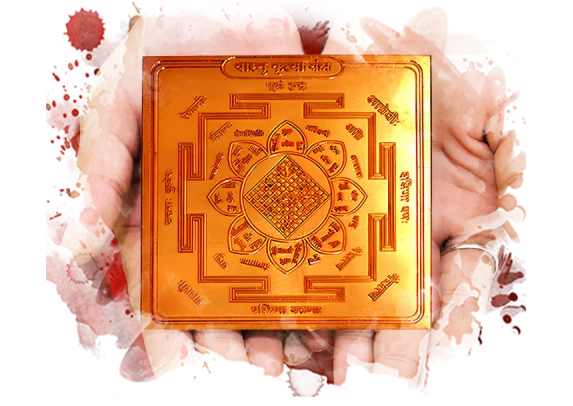
Yantras are sacred geometric designs used in several Hindu spiritual traditions. Devotees consider them meaningful symbols during worship, meditation, and specific religious observances. Some individuals explore Vastu Dosh Ka Nivaran through suitable yantras after receiving guidance from an experienced astrologer or religious scholar.
Depending on the traditional practice, yantras may be installed in prayer rooms or other recommended locations. Their preparation, design, and worship procedures can differ. Devotees should understand the religious significance of a particular yantra before purchasing or installing it. Moreover, they should avoid relying on exaggerated claims about guaranteed changes in financial, personal, or professional circumstances.
Expert Consultation for Better Vastu Understanding
Professional guidance helps property owners understand traditional recommendations according to their individual circumstances. Astrologer and Scholar Pandit Hemant Agnihotri is associated with Vedic astrology and traditional spiritual guidance. Individuals interested in Vastu practices can seek consultation to understand different remedies and their religious significance.
During a consultation, homeowners should explain their property’s layout, construction details, and specific concerns. Vastu Dosh Ka Nivaran becomes easier to approach when recommendations relate to the actual structure rather than general assumptions. An experienced practitioner can explain traditional considerations and discuss suitable options. Clear communication also helps families understand which adjustments are practical and which involve religious observances.
Daily Habits That Support a Harmonious Home
A pleasant living environment requires regular attention and responsible property management. Families should keep frequently used rooms clean, arrange furniture conveniently, and prevent unnecessary clutter. These simple habits improve movement and make available spaces more functional. Vastu Dosh Ka Nivaran can complement these efforts when homeowners also follow traditional principles.
Furthermore, maintaining proper ventilation and allowing natural light into rooms can improve indoor comfort. Repairing damaged fittings, organising storage areas, and keeping kitchens hygienic also support a welcoming atmosphere. These practical habits do not require expensive arrangements. Instead, consistent maintenance helps families create surroundings that remain comfortable throughout the year.
Guru Chandal Dosh Puja
Guru Chandal Dosh Puja is a traditional Vedic astrological observance associated with the conjunction or significant relationship between Jupiter and Rahu in an individual’s birth chart. According to traditional interpretations, this planetary combination may influence knowledge, judgement, beliefs, and important decisions, depending on other horoscope placements. Devotees may consider this ceremony to seek divine blessings, wisdom, and spiritual guidance. The observance can involve specific mantras, offerings, and prayers performed according to established religious customs. An experienced scholar should examine the complete horoscope before recommending the ritual because individual planetary combinations and ceremonial requirements can differ.
Conclusion
A comfortable property depends on thoughtful organisation, suitable maintenance, and informed planning. Vastu Dosh Ka Nivaran provides a traditional approach for individuals who wish to understand spatial arrangements and explore spiritual remedies. Every building has unique requirements, so recommendations should reflect its actual structure and the homeowner’s circumstances. Astrologer and Scholar Pandit Hemant Agnihotri can provide guidance to individuals interested in Vedic astrology and traditional Vastu practices. By combining practical improvements with sincere religious observances, families can create organised surroundings that support comfort, cultural values, and a positive approach to everyday living.