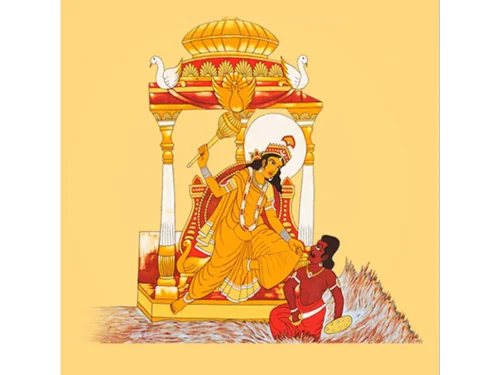
Goddess Baglamukhi holds a distinguished position among the ten Mahavidyas in Hindu religious traditions. Devotees worship her as a symbol of strength, protection, and control over negative influences. Baglamukhi Anushthan in Ujjain is a traditional spiritual ceremony performed with specific mantras, offerings, and Vedic procedures. Many people visit this sacred city to seek the goddess’s blessings and participate in devotional activities. Ujjain’s religious atmosphere adds significance to this worship, while Shree Mahakal Dosh Pujan helps devotees understand the customary arrangements and importance of this powerful ceremony.
Spiritual Importance of Goddess Baglamukhi Anushthan in Ujjain
Goddess Baglamukhi is also known as Pitambara Devi and is traditionally associated with the power of Stambhan. Her worship represents the ability to control harmful influences, overcome obstacles, and develop inner determination. Devotees approach the goddess with faith when seeking guidance during difficult situations.
The Baglamukhi Anushthan in Ujjain follows religious traditions that include mantra chanting, Sankalp, and prescribed offerings. These practices encourage spiritual discipline and focused devotion. Moreover, the ceremony provides an opportunity for individuals to connect with the goddess through established rituals. Her yellow attire and association with yellow offerings also hold special importance in traditional worship.
Why Ujjain Is Important for Baglamukhi Worship
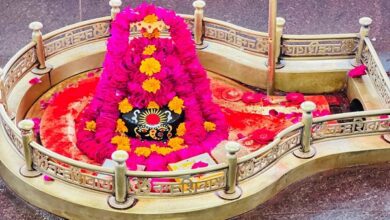
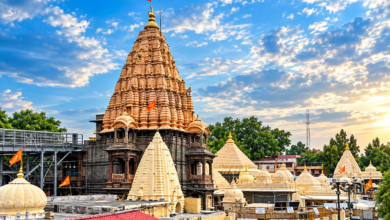
Ujjain is recognised as one of India’s prominent pilgrimage destinations. The city has a deep connection with Hindu mythology, ancient temples, and spiritual traditions. Its association with Mahakaleshwar Jyotirlinga attracts devotees throughout the year. Additionally, Ujjain offers an established environment for people interested in traditional religious ceremonies.
Choosing Baglamukhi Anushthan in Ujjain allows devotees to participate in worship within a city known for its religious heritage. Visitors often combine their spiritual activities with temple darshan and prayers. The presence of experienced priests and traditional worship practices further contributes to the importance of organising religious ceremonies in this destination.
Traditional Procedures Followed During Baglamukhi Anushthan in Ujjain
The anushthan involves several stages that priests perform according to established religious customs. The exact procedure may depend on the devotee’s requirements, the selected chanting count, and the priest’s guidance.
Common activities include:
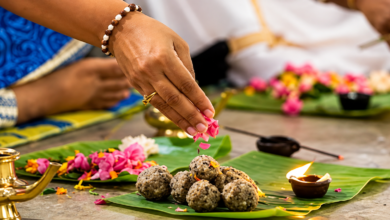
- Sankalp: The devotee states the purpose of the religious ceremony.
- Ganesh Puja: Prayers are offered to Lord Ganesha before the main worship.
- Kalash Sthapana: A sacred vessel is established according to traditional practices.
- Goddess Invocation: Priests invite the divine presence of Maa Baglamukhi through prescribed prayers.
- Mantra Jaap: Specific Baglamukhi mantras are recited for the decided number of repetitions.
- Havan: Offerings are made into the sacred fire with appropriate mantras.
- Aarti: The ceremony concludes with devotional prayers.
During Baglamukhi Anushthan in Ujjain, every stage follows a planned sequence to maintain the religious significance of the proceedings.
Significance of Yellow Offerings and Sacred Mantras
Yellow holds a special place in the worship of Goddess Baglamukhi. Devotees traditionally associate this colour with auspiciousness, prosperity, and the goddess’s divine identity. Therefore, yellow flowers, clothing, turmeric, and other permitted offerings may form part of the ceremony.
Mantra recitation is another important element. Priests chant specific Sanskrit verses while maintaining traditional pronunciation and sequence. The Baglamukhi Anushthan in Ujjain includes these practices to create a focused devotional atmosphere. Furthermore, participants can learn about the meaning of the mantras and the significance of individual offerings before the ceremony begins.
Religious Reasons for Organising This Anushthan
People consider Baglamukhi worship for different spiritual and astrological reasons. Some devotees seek courage while facing challenging circumstances, whereas others perform the ceremony according to family traditions. Individuals may also consult knowledgeable priests when they wish to understand the religious practices associated with particular concerns.
Traditionally, devotees associate this worship with protection, confidence, concentration, and overcoming obstacles. However, these associations represent religious beliefs rather than guaranteed practical outcomes. The Baglamukhi Anushthan in Ujjain gives participants an opportunity to express their faith through disciplined prayer. It should complement sensible decisions and appropriate professional guidance wherever necessary.
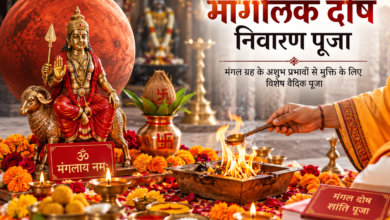
Mangal Dosh Puja in ujjain
Mangal Dosh Puja in ujjain is a traditional astrological ceremony performed by devotees who believe certain Mars placements in their birth charts may influence marriage-related matters and personal relationships. According to Vedic astrology, specific planetary combinations are associated with Mangal Dosh. Therefore, individuals often consult experienced astrologers before selecting suitable religious remedies. The ceremony may include Sankalp, prayers to Lord Mangal, mantra chanting, and prescribed offerings. Shree Mahakal Dosh Pujan helps devotees understand the traditional procedure and its religious significance. A proper horoscope assessment can help determine whether this particular worship is relevant to an individual’s astrological requirements.
Selecting an Appropriate Date for the Ceremony
Choosing a suitable date is an important part of organising traditional Hindu worship. Devotees often consult priests to identify an auspicious time according to their religious customs and personal requirements. Certain dates and occasions may carry additional significance in the worship of Goddess Baglamukhi.
Before arranging Baglamukhi Anushthan in Ujjain, families should discuss the ceremony’s duration, chanting count, required materials, and other arrangements. Early communication helps avoid confusion, especially during major festivals and busy pilgrimage periods. Additionally, visitors travelling from other cities should organise transportation and accommodation beforehand.
Arrangements With Shree Mahakal Dosh Pujan
Proper guidance makes religious participation easier for devotees and their families. Shree Mahakal Dosh Pujan helps visitors understand traditional puja arrangements and the customary procedures followed during different ceremonies. Devotees can discuss their requirements and obtain information about the necessary preparations.
When planning Baglamukhi Anushthan in Ujjain, it is useful to confirm the location, schedule, priestly arrangements, and materials in advance. Families should also understand whether they need to participate in specific stages of the ceremony. Such preparation allows everyone to remain focused on worship instead of managing last-minute arrangements.
Conclusion
Goddess Baglamukhi represents divine strength, determination, and protection in Hindu spiritual traditions. Her worship continues to hold importance among devotees who follow traditional Vedic practices. Baglamukhi Anushthan in Ujjain offers an opportunity to participate in sacred mantra recitation, Havan, and devotional offerings within a historically significant pilgrimage city. With guidance from Shree Mahakal Dosh Pujan, visitors can understand the religious procedures and prepare for their ceremony with confidence. Sincere devotion, proper preparation, and respect for traditional customs make this worship a meaningful spiritual experience.