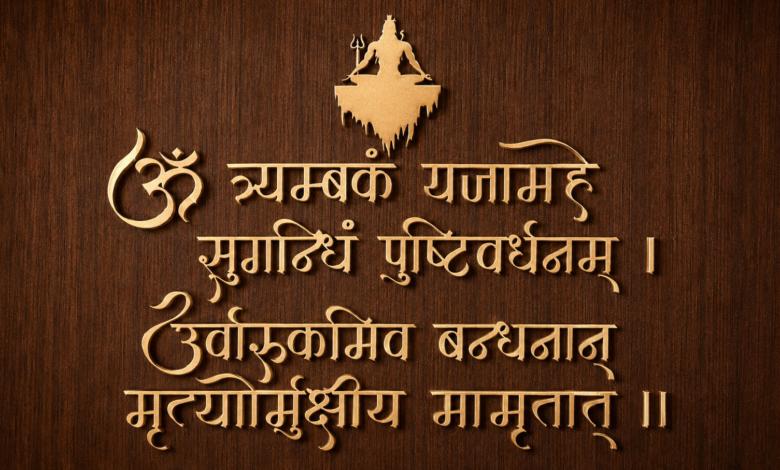
The Mahamrityunjay Mantra is one of the most respected mantras dedicated to Lord Shiva. It is also known as the Tryambakam Mantra and holds an important place in traditional Hindu spiritual practices.
Mahamrityunjay Mantra Anushthan involves systematic and dedicated chanting of the Mahamrityunjay Mantra for a specific spiritual purpose. Devotees may perform this anushthan to seek inner peace, spiritual strength, positive energy, and divine blessings.
Unlike casual mantra chanting, an anushthan generally follows a planned procedure. It may involve sankalp, repeated mantra chanting, puja, offerings, and havan under the guidance of an experienced priest or scholar.
What Is Mahamrityunjay Mantra Anushthan?
Mahamrityunjay Mantra Anushthan is a traditional spiritual practice based on the repeated chanting of the Mahamrityunjay Mantra.
The mantra is traditionally associated with Lord Shiva and is found in the Rigveda. Devotees have recited it for generations as part of prayer and meditation.
Anushthan means following a disciplined spiritual practice for a specific period or number of repetitions.
Meaning of the Mantra
The Mahamrityunjay Mantra praises Lord Shiva as the three-eyed divine presence. Traditionally, devotees seek freedom from fear, worldly bondage, and spiritual difficulties through sincere devotion.
The practice emphasizes faith, concentration, discipline, and surrender.
Why Perform Mahamrityunjay Mantra Anushthan?
Devotees may choose this traditional practice for different spiritual reasons.
The Mahamrityunjay Mantra Anushthan is traditionally associated with:
- Seeking blessings from Lord Shiva
- Developing inner peace
- Strengthening spiritual discipline
- Reducing fear and mental stress
- Supporting positive thinking
- Seeking protection according to religious beliefs
- Deepening devotion and meditation
These benefits come from religious and spiritual traditions. They should not be considered scientifically guaranteed results.
How Is Mahamrityunjay Mantra Anushthan Performed?
The exact procedure can differ according to the tradition, purpose, and number of repetitions.
Sankalp
The anushthan generally begins with a sankalp. The devotee states the intention behind performing the spiritual practice.
The priest or scholar then begins the ceremony according to the prescribed Vedic procedure.
Shiva Puja
Lord Shiva is worshipped before or during the chanting process.
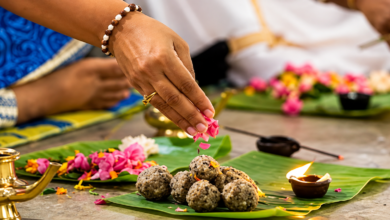
Traditional offerings may include water, milk, bilva leaves, flowers, incense, lamps, and other puja materials.
Mantra Chanting
Repeated chanting forms the central part of the anushthan.
The number of repetitions depends on the selected ritual. Some devotees perform a fixed number of jaap over a particular period.
Proper pronunciation and concentration are traditionally considered important.
Havan
A havan may be performed after completing the prescribed mantra chanting.
Sacred offerings are placed into the fire while relevant mantras are recited. The exact havan procedure depends on the anushthan tradition.
Importance of Proper Pronunciation
Mantra chanting traditionally places importance on pronunciation, rhythm, and consistency.
A trained priest or scholar can help devotees understand the correct chanting method.
This can be especially useful when performing a large-scale anushthan involving thousands of repetitions.
Who Can Perform Mahamrityunjay Mantra Anushthan?
Anyone who follows Hindu spiritual practices may choose to perform this traditional anushthan.
Some people arrange it for themselves. Others perform it for family members or during important periods of life.
The appropriate procedure can depend on the devotee’s purpose, religious tradition, and the guidance of the priest.
When Should the Anushthan Be Performed?
The suitable date and duration can vary according to the ritual tradition.
Some devotees choose auspicious dates according to the Hindu calendar. Others begin the anushthan after consulting a knowledgeable priest or astrologer.
The important factor is maintaining discipline throughout the prescribed period.
Before beginning Mahamrityunjay Mantra Anushthan, devotees should discuss the number of repetitions, duration, puja procedure, and required materials with the priest.
How to Prepare for the Anushthan
Preparation can help devotees follow the ritual with greater focus.
Before beginning the ceremony, confirm:
- The purpose of the anushthan
- Number of mantra repetitions
- Ritual duration
- Puja and havan procedure
- Required samagri
- Number of priests involved
- Date and timing
- Total arrangements and charges
Devotees should also maintain a peaceful environment during the chanting whenever possible.
Role of an Experienced Priest or Scholar
An experienced priest can guide devotees through the traditional procedure. This includes sankalp, pronunciation, chanting discipline, puja, and havan.
Astrologer and Scholar Pandit Hemant Agnihotri provides guidance related to traditional Vedic rituals and mantra-based spiritual practices.
Devotees can discuss their requirements before selecting an appropriate anushthan.
Mahamrityunjay Mantra and Spiritual Well-Being
Mantra chanting can become a focused spiritual practice. Repetition may encourage concentration and create a peaceful environment for prayer.
Many devotees use the Mahamrityunjay Mantra as part of meditation and daily worship.
However, spiritual practices should not replace professional medical care. The mantra should never be presented as a guaranteed treatment for illness.
Frequently Asked Questions (5 FAQs)
1. What is Mahamrityunjay Mantra Anushthan?
Mahamrityunjay Mantra Anushthan is a disciplined traditional practice involving repeated chanting of the Mahamrityunjay Mantra for a specific spiritual purpose.
2. How many times should the mantra be chanted?
The number of repetitions depends on the selected anushthan. A priest or scholar can recommend a suitable count based on the ritual tradition.
3. Is a priest required for Mahamrityunjay Mantra Anushthan?
Devotees can chant the mantra themselves. However, guidance from an experienced priest can be useful for a structured anushthan involving specific Vedic procedures.
4. Can the anushthan include havan?
Yes. Many traditional anushthans include a havan after the prescribed mantra chanting, depending on the ritual method.
5. Does Mahamrityunjay Mantra Anushthan guarantee specific results?
No spiritual practice can scientifically guarantee a particular outcome. The anushthan is a traditional form of prayer and devotion dedicated to Lord Shiva.
Conclusion
Mahamrityunjay Mantra Anushthan is a traditional spiritual practice centered on the repeated chanting of the Mahamrityunjay Mantra. It may include sankalp, Shiva Puja, mantra chanting, offerings, and havan.
Devotees traditionally perform the anushthan to seek spiritual strength, peace, devotion, and divine blessings. Proper preparation and consistent chanting can help create a focused religious experience.
Those planning an anushthan should discuss the procedure, repetition count, timing, and requirements with an experienced priest or scholar. Astrologer and Scholar Pandit Hemant Agnihotri can provide guidance for devotees seeking traditional mantra and Vedic ritual services.