Persistent lower back pain can affect walking, sleeping, working, and everyday movement. While many cases improve with medicines, physiotherapy, posture correction, and guided exercise, some conditions may require surgical treatment. Lumbar Spine Surgery in Kerala is considered after a detailed clinical assessment, imaging review, and discussion of non-surgical options. Dr Fazal Rehman provides specialised spine care with attention to the cause, severity, and effect of symptoms. The goal is not simply to perform an operation, but to choose an appropriate treatment plan that supports safe recovery, mobility, and long-term function.
Causes That May Need Surgery
The lumbar spine carries much of the body’s weight and supports bending, lifting, and walking. Over time, discs, joints, bones, and supporting tissues may develop problems. A slipped or herniated disc can press on a nerve and cause pain that travels from the lower back into the buttock or leg.
Spinal stenosis can narrow the space available for nerves. This may lead to leg pain, numbness, weakness, or difficulty walking for longer distances. Other conditions may include spinal instability, spondylolisthesis, fractures, deformity, infection, or selected spinal tumours.
Not every patient with these conditions needs surgery. Doctors usually consider symptoms, examination findings, scan results, duration of pain, and response to conservative treatment. This careful approach helps avoid unnecessary procedures.
When an Operation Becomes Necessary
Surgery may be discussed when severe symptoms continue despite appropriate non-surgical treatment. Progressive weakness, difficulty controlling bladder or bowel function, or significant nerve compression requires urgent medical attention. Patients should seek prompt evaluation instead of delaying care or relying on self-treatment.
Lumbar Spine Surgery in Kerala may involve procedures such as decompression, discectomy, laminectomy, spinal fusion, or minimally invasive techniques. The selected procedure depends on the affected level, diagnosis, spinal stability, overall health, and treatment goals.
A consultation should explain the expected benefits, possible risks, alternatives, recovery period, and likelihood of needing further treatment. Patients should ask questions and understand the proposed procedure before providing consent.
Minimally Invasive Treatment Options
Modern spine surgery aims to treat the problem while limiting unnecessary damage to muscles and surrounding tissues. Endoscopic and microendoscopic procedures use small incisions, specialised instruments, and camera-assisted visualisation. In suitable cases, these techniques may reduce tissue disruption and support earlier mobilisation.
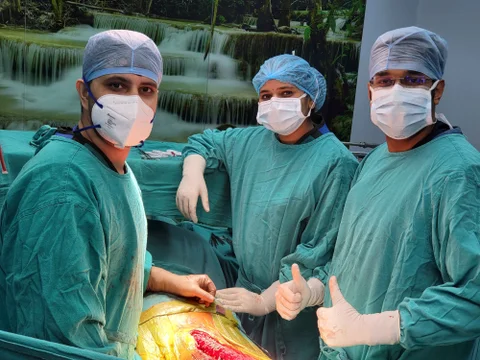
Dr Fazal Rehman has expertise in minimally invasive and endoscopic spine surgery. Publicly available professional information identifies him as a National Board-certified spine surgeon with specialised training in India and overseas. He works at Starcare Hospital in Kozhikode, Kerala, where selected advanced spine procedures are performed.isakos+1
Minimally invasive surgery is not appropriate for every diagnosis. A larger or more complex procedure may provide better results for instability, deformity, extensive compression, or revision cases. The surgeon should recommend a technique according to medical need rather than popularity.
Why Specialist Assessment Matters
Spine symptoms can arise from different causes, and similar pain does not always mean the same diagnosis. A specialist assessment combines medical history, neurological examination, imaging, and functional limitations. This process helps identify whether the pain comes from a disc, nerve, joint, muscle, or another condition.
Patients considering Lumbar Spine Surgery in Kerala should bring previous scan reports, prescriptions, therapy records, and information about earlier treatments. They should mention numbness, weakness, walking difficulty, night pain, and changes in bladder or bowel control.
Dr Fazal Rehman’s reported clinical focus includes minimally invasive, endoscopic, and robotic-assisted spine surgery. Professional sources also report advanced training in spine surgery and international endoscopic training. These credentials can inform a consultation, but each patient still needs an individual diagnosis and treatment recommendation.keralaspine+1
Preparing for the Procedure
Preparation depends on the proposed operation and the patient’s health. The medical team may review blood tests, imaging, medicines, allergies, previous surgeries, diabetes, blood pressure, and heart or lung conditions. Patients should disclose all medicines, including supplements and blood thinners.
The surgeon may provide instructions about fasting, bathing, smoking, food, and medicines before admission. Patients should arrange transport, assistance at home, comfortable clothing, and a safe sleeping area for the early recovery period.
A clear discussion before Lumbar Spine Surgery in Kerala can reduce anxiety. Patients should understand the expected hospital stay, wound care, walking plan, restrictions, follow-up schedule, and warning signs that require immediate contact.
Recovery and Rehabilitation
Recovery varies according to the diagnosis, surgical method, age, fitness, and general health. Some patients begin walking soon after surgery, while others need a longer period of monitored rehabilitation. Pain, tiredness, stiffness, and temporary activity limits can occur during the early phase.
Physiotherapy may support posture, strength, balance, flexibility, and safe movement. Patients should follow the prescribed plan and avoid lifting, bending, driving, or returning to work before receiving medical guidance.
After Lumbar Spine Surgery in Kerala, follow-up visits help the surgeon assess healing, nerve recovery, wound condition, and progress. Improvement may occur gradually, particularly when nerves have been compressed for a long time. Recovery expectations should remain realistic.
Managing Risks Responsibly
Every operation has possible risks, including infection, bleeding, blood clots, anaesthetic complications, nerve injury, persistent pain, recurrence, or the need for additional surgery. The level of risk depends on the condition and procedure.
Patients should discuss personal risk factors openly with the surgical team. Diabetes, obesity, smoking, osteoporosis, previous spinal surgery, and other medical problems may influence planning and recovery. Following instructions about wound care, medicines, walking, and activity can support safer healing.
Choosing Lumbar Spine Surgery in Kerala should involve informed discussion rather than promises of guaranteed results. No ethical treatment can guarantee complete pain relief for every patient. A responsible consultation explains realistic outcomes and alternatives.
Choosing the Right Care Team
Patients should consider the surgeon’s qualifications, experience with the proposed procedure, hospital support, emergency facilities, communication, and follow-up arrangements. They should also confirm the estimated cost and understand what the package includes.
Dr Fazal Rehman is associated with advanced spine care at Starcare Hospital, Kozhikode. Reports describe his involvement in complex endoscopic and technology-assisted procedures, including an endoscopic 3D-printed titanium TLIF procedure. Such reports demonstrate the hospital’s interest in advanced techniques, while suitability remains patient-specific.isakos+1
Those searching for the best endoscopic spine surgeon should compare verified qualifications, relevant procedure experience, hospital facilities, and consultation quality. Marketing claims should never replace medical evaluation, scan review, and informed consent.
Conclusion
Lumbar Spine Surgery in Kerala can offer a treatment pathway for carefully selected patients with persistent pain, nerve compression, instability, or other structural problems. Dr Fazal Rehman provides specialist spine care with experience in minimally invasive and endoscopic techniques.
Patients should obtain a complete assessment, understand non-surgical alternatives, discuss risks, and follow a personalised recovery plan. When diagnosis, surgical skill, hospital support, and rehabilitation work together, Lumbar Spine Surgery in Kerala may help suitable patients regain movement, improve daily function, and return to important activities safely.