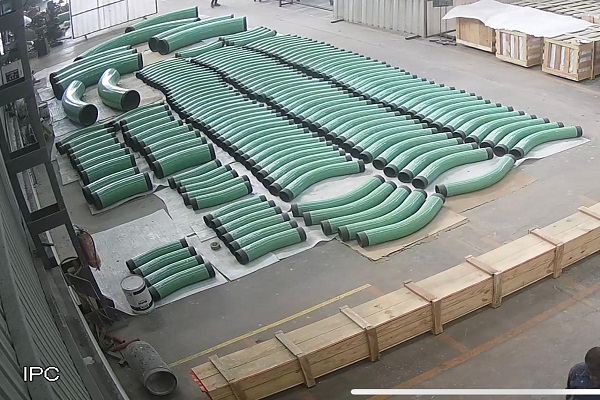
Industrial steel products often face challenging conditions during storage, installation, and operation. Fbe Powder is used in specialized systems because it melts under controlled heat and forms a firmly bonded barrier on properly prepared steel. This coating approach can help limit corrosion, maintain surface integrity, and reduce avoidable repair work. For pipeline operators and fabricators, understanding the material, application stages, and inspection needs makes it easier to specify protection that matches the project environment. The coating can support long-term performance when businesses combine appropriate materials, controlled application, and consistent quality checks throughout production.
What Makes Fbe Powder Suitable for Steel
Fusion bonded epoxy powder is a thermosetting material supplied in dry form. During application, the powder is deposited onto heated steel, melts, flows across the surface, and cures into a continuous film. The bond relies on suitable steel preparation and controlled process conditions, rather than simply drying in open air.
Formulations may contain epoxy resin, curing agents, pigments, and additives selected to support adhesion, hardness, and resistance to environmental exposure. Project teams should review technical data before choosing a coating material.
Where Powder Coatings Serve Industrial Needs
Protective powder systems are used across infrastructure and fabrication work where steel components must remain serviceable. Common examples include oil and gas pipelines, water transmission lines, fittings, valves, fabricated sections, and selected buried or immersed steel structures. In suitable specifications, Fbe Powder can protect critical components.
In these applications, Fbe Powder can create a barrier between the substrate and corrosive surroundings. Properly selected Fbe Powder also helps shield prepared steel from direct environmental contact. However, no coating is universal. Engineers should consider operating temperature, chemical contact, soil characteristics, installation practices, and mechanical stress before specifying a product. Matching the coating to the service conditions helps set realistic expectations for its performance.
Preparing Steel for a Reliable Coating
Surface preparation has a major influence on coating quality. Steel should be cleaned to remove grease, dirt, rust, mill scale, and other contaminants. Abrasive blasting is commonly used to achieve the cleanliness and surface profile required by the coating specification.
Once prepared, the steel must be handled carefully to avoid contamination before application. Moisture, oil from handling, or airborne debris can interfere with bonding. Using Fbe Powder after proper preparation supports dependable surface contact. A disciplined preparation process helps the coating develop consistent contact with the substrate and reduces the chance of defects.
Application Controls and Quality Checks
During production, operators heat steel to the specified range and apply powder using suitable equipment, often electrostatic spraying. Temperature, application rate, and coating thickness must be monitored so the material melts, flows, and cures as intended. Controlled conditions help Fbe Powder achieve even coverage. When the process is controlled, Fbe Powder can provide uniform coverage on surfaces that meet the required preparation standard.
Inspection verifies that the finished layer meets project requirements. Checks may include thickness measurement, visual examination, adhesion assessment, and holiday detection to locate discontinuities. Testing is not simply a final formality; it provides evidence that coated components are ready for handling and installation.
Benefits for Asset Owners and Contractors
A correctly specified epoxy coating can offer practical advantages throughout the asset lifecycle. It helps protect steel from corrosion, supports durable surface performance, and may reduce the frequency of coating-related maintenance. This can be especially valuable when access to pipelines or industrial equipment is difficult or costly.
Fbe Powder also supports production consistency when equipment, materials, and operating conditions are managed properly. Contractors benefit from clearly defined acceptance criteria, while asset owners gain better visibility into the protection system selected for their infrastructure. Still, coating performance depends on specification, workmanship, handling, and the actual environment—not the material name alone.
Planning Additional Coating Protection
Some projects may evaluate a Dual Fbe Coating Service when design requirements call for a particular coating build or additional protective characteristics. A dual-layer system should be selected only after reviewing service conditions, required thickness, compatibility, inspection criteria, and applicable standards. Technical consultation can clarify whether a single or dual application is appropriate, what process controls are necessary, and how repairs should be completed. This decision should be based on project evidence and engineering requirements, rather than assuming that adding a layer automatically suits every pipeline.
Choosing a Coating Supplier Carefully
When reviewing suppliers, businesses should assess technical documentation, process capability, inspection equipment, traceability, and communication. Ask for product data, application recommendations, and records that demonstrate the coating meets the specified requirements. Also discuss packaging, transport, storage, and handling so the protective film is not damaged after production.
Heatman Products can be considered by buyers seeking coating-related support for industrial steel applications. Their team can discuss Fbe Powder requirements when buyers share technical specifications. Sharing drawings, service details, and acceptance criteria early helps suppliers understand the job and respond with relevant information. Clear coordination can reduce delays, improve accountability, and support informed procurement decisions.
Conclusion
Long-lasting steel protection begins with choosing a suitable coating and applying it under controlled conditions. Fbe Powder can help resist corrosion and preserve pipeline surfaces when preparation, heating, application, inspection, and handling follow the project specification. Businesses should evaluate the environment, technical requirements, and supplier capabilities before ordering coated components. With careful planning and quality checks, Heatman Products and project teams can support dependable coating outcomes and protect industrial assets through their intended service life.