Mining operations require strong systems for managing water, waste, chemicals, and other materials. Without proper containment, these materials can affect soil and groundwater. Therefore, reliable lining systems play an important role in modern mining projects.
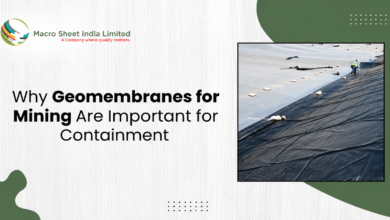
Geomembranes for Mining provide a flexible and durable barrier between the ground and stored materials. They are commonly used in areas such as tailings facilities, heap leach pads, evaporation ponds, process water ponds, and waste containment systems.
When selected and installed correctly, geomembranes can help reduce leakage and improve site management. They also support better environmental protection throughout the operational life of a mining project.
Why Geomembranes Are Important in Mining
Mining sites often handle large volumes of water and processed materials. These materials may contain substances that should not enter surrounding soil or groundwater.
Traditional soil barriers may not always provide the level of containment required for demanding mining environments. Geomembranes create a low-permeability barrier that helps control liquid movement.
Moreover, their flexible structure allows them to cover large areas with fewer joints than many conventional lining systems.
Environmental Protection
Environmental protection remains an important part of responsible mining. Leakage from ponds or containment areas can create serious environmental concerns.
A properly designed geomembrane lining system can help limit seepage. Therefore, it can support better management of potentially contaminated liquids and materials.
Water Management
Mining operations require effective water management. Process water, stormwater, and other liquids may need temporary or long-term containment.
Geomembrane liners can help create controlled storage areas. This makes them useful for ponds, reservoirs, channels, and other water management applications.
Common Applications of Geomembranes for Mining
Mining projects have different containment requirements. The correct geomembrane system depends on the application, site conditions, and material being contained.
Tailings Storage Facilities
Tailings are materials left after valuable minerals are separated from mined ore. Proper containment is essential for managing tailings safely.
Geomembranes can be incorporated into tailings containment systems to reduce seepage and provide an additional protective barrier.
Heap Leach Pads
Heap leaching involves processing mineral-bearing material with controlled solutions. These solutions must remain within designated areas.
Geomembranes for Mining can provide a lining system beneath heap leach pads. They help control solution movement and support efficient recovery operations.
Process Water Ponds
Mining operations often require ponds for storing process water. These ponds need reliable containment to reduce water loss and prevent unwanted seepage.
Geomembranes can create an effective lining layer for such applications.
Evaporation Ponds
Some mining operations use evaporation ponds to manage water and dissolved materials. These ponds require liners that can withstand prolonged exposure to water and site conditions.
A suitable geomembrane can help reduce seepage and maintain containment.
Types of Geomembranes Used in Mining
Different geomembrane materials are available for mining applications. Each material offers specific properties and performance characteristics.
HDPE Geomembranes
High-density polyethylene, or HDPE, is widely used for demanding containment applications. It offers good chemical resistance, durability, and resistance to environmental exposure.
HDPE geomembranes can be manufactured in large sheets. This helps reduce the number of field seams required during installation.
LLDPE Geomembranes
Linear low-density polyethylene, or LLDPE, offers greater flexibility than HDPE. This flexibility can be useful where ground movement or settlement may occur.
The appropriate material should be selected after evaluating project conditions.
Textured Geomembranes
Textured geomembranes provide improved friction between the liner and adjacent materials. This feature can be useful on sloped surfaces.
They can help improve stability when used as part of a properly engineered lining system.
Key Benefits of Geomembranes for Mining
Mining companies can gain several benefits by using appropriate geomembrane systems.
Important advantages include:
- Low permeability
- Strong chemical resistance
- High durability
- Flexible installation options
- Reduced seepage
- Protection of underlying soil
- Suitability for large containment areas
- Support for environmental management
However, performance depends on proper material selection, installation, seam quality, and site preparation.
How Geomembrane Installation Works
Proper installation is essential for achieving reliable containment. Even a high-quality liner can perform poorly if installation is not handled correctly.
Site Preparation
The ground should be cleared and properly prepared before liner placement. Sharp rocks, debris, roots, and other objects should be removed.
A suitable subgrade helps protect the geomembrane from punctures and damage.
Liner Placement
Geomembrane sheets are carefully positioned across the prepared area. Installers should avoid unnecessary wrinkles and excessive stress.
Large projects require careful planning to ensure proper coverage.
Seam Welding
Individual geomembrane sheets are joined using suitable welding equipment. The quality of these seams is critical because weak joints can become potential leakage points.
Professional installers should follow appropriate welding procedures and conduct seam testing.
Quality Inspection
The completed lining system should be inspected before the area becomes operational. Visual inspection and suitable testing methods can help identify defects.
Quality control at every stage improves overall system reliability.
Factors to Consider When Selecting Mining Geomembranes
Choosing a liner requires more than simply selecting a material thickness. Several project factors should be evaluated.
Consider the following:
- Chemical exposure
- Temperature conditions
- Soil characteristics
- Expected settlement
- Slope design
- Required liner thickness
- Installation conditions
- Expected service life
- Seaming requirements
A properly engineered system can provide better long-term performance and reduce maintenance concerns.
Why Choose a Reliable Geomembrane Manufacturer?
Mining projects often involve large investments and demanding operating conditions. Therefore, the quality of the geomembrane can directly affect containment performance.
A reliable manufacturer should provide consistent material quality and suitable product specifications. Technical support can also help project teams select the right liner for their application.
MACRO SHEET INDIA LIMITED offers geomembrane solutions for demanding industrial and infrastructure applications. Its products can support mining projects that require reliable containment and environmental protection.
Maintenance of Mining Geomembrane Systems
Although geomembranes are designed for durability, regular inspection remains useful. Mining sites can expose liners to equipment movement, weather, chemicals, and other potential risks.
Operators should inspect accessible areas for visible damage. They should also monitor drainage and containment systems regularly.
Prompt repairs can help prevent small defects from developing into larger containment problems.
Frequently Asked Questions (5 FAQs)
1. What are Geomembranes for Mining used for?
They are used for containment applications such as tailings facilities, heap leach pads, process water ponds, evaporation ponds, and other mining areas.
2. Why is HDPE commonly used for mining applications?
HDPE offers durability, low permeability, and good resistance to many chemicals and environmental conditions. These properties make it suitable for demanding containment applications.
3. Can geomembranes prevent groundwater contamination?
A properly designed and installed geomembrane system can significantly reduce seepage and help protect underlying soil and groundwater.
4. How long can mining geomembranes last?
Service life depends on material quality, thickness, chemical exposure, temperature, installation, and site conditions. Proper design and maintenance can improve long-term performance.
5. How should I select Geomembranes for Mining?
Consider the site conditions, chemical exposure, required thickness, ground movement, slope, installation method, and expected service life before selecting a product.
Conclusion
Mining operations need dependable systems for managing water, waste, and potentially harmful materials. Geomembranes for Mining provide a low-permeability barrier that can help control seepage and protect surrounding soil.
From tailings storage and heap leach pads to process water and evaporation ponds, geomembranes have many practical applications. However, successful performance depends on correct material selection, professional installation, quality seam welding, and regular inspection.
For mining projects that require reliable containment solutions, MACRO SHEET INDIA LIMITED can provide suitable geomembrane products based on project requirements. Selecting the right lining system early can help improve containment performance and support responsible mining practices.