Cement Coating Service: Reliable Protection for Industrial and Infrastructure Applications

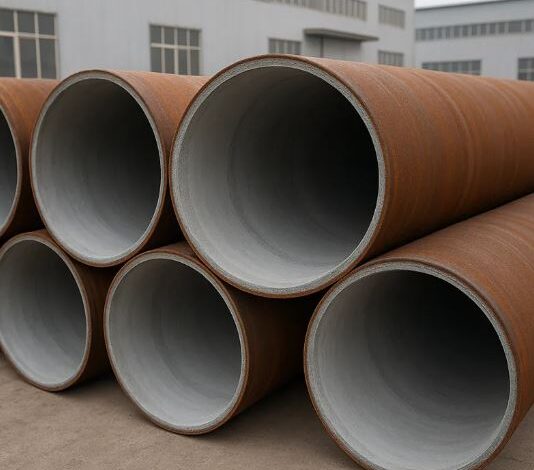
Industrial structures and equipment often face challenging operating conditions. Exposure to moisture, chemicals, abrasion, and environmental factors can gradually damage surfaces. Therefore, selecting a suitable protective coating is important for maintaining durability and reducing maintenance requirements.
A professional Cement Coating Service helps protect suitable surfaces by applying cement-based coating materials. These coatings can provide a protective layer for selected industrial and infrastructure applications. Heatman Products focuses on industrial coating solutions that support surface protection and long-term performance.
What Is a Cement Coating Service?
A cement coating service involves applying a cement-based protective layer to suitable surfaces. The coating can help improve surface protection and provide resistance against certain environmental and operating conditions.
The application process depends on the surface material, project requirements, and intended working environment. Before selecting a coating, professionals generally assess the substrate, surface condition, and required coating performance.
Heatman Products is the brand featured in this guide to industrial surface protection and coating applications.
Key Benefits of Cement Coating
Cement-based coatings can offer several advantages when selected and applied correctly.
1. Surface Protection
A properly applied cement coating can create a protective layer over suitable surfaces. This helps reduce direct exposure to environmental elements and other external factors.
2. Improved Durability
Industrial surfaces require protection to maintain their condition during regular operations. Cement-based coatings can support surface durability when the coating system matches the application requirements.
3. Resistance to Environmental Exposure
Certain cement coating formulations are designed to withstand moisture and specific environmental conditions. However, the actual resistance depends on the formulation, thickness, substrate preparation, and application method.
4. Maintenance Support
Protective coatings can help reduce surface deterioration and support maintenance planning. Regular inspections are still important to identify cracks, damage, or coating failure.
5. Versatile Applications
Cement-based coatings can be used in selected construction, infrastructure, and industrial applications. The correct coating system depends on the surface and expected service conditions.
Industrial Applications of Cement Coating
Cement coating can be considered for different applications where compatible cement-based protection is required.
Concrete Structures
Concrete surfaces may require additional protection against moisture and environmental exposure. Suitable cement-based coatings can help protect selected walls, floors, and structural surfaces.
Industrial Facilities
Factories and industrial facilities often require protective surface treatments. Cement coatings may be suitable for certain areas depending on chemical exposure, temperature, and operating conditions.
Water-Related Structures
Some cementitious coating systems are designed for compatible water-retaining structures. Product specifications and application requirements should be reviewed before selecting a coating for these projects.
Infrastructure Projects
Infrastructure components may experience continuous environmental exposure. Appropriate surface protection can help maintain their condition and support long-term maintenance objectives.
Cement Coating Application Process
A successful coating application requires proper preparation and controlled execution. The process may vary depending on the coating system and project specifications.
Step 1: Surface Inspection
The surface is examined to identify cracks, loose material, contamination, moisture conditions, and other defects. This assessment helps determine whether the substrate is suitable for coating.
Step 2: Surface Preparation
Dust, grease, loose particles, and other contaminants are removed. Any required repairs are completed before coating application. Proper preparation helps improve coating adhesion.
Step 3: Material Preparation
The coating material is prepared according to the manufacturer’s technical instructions. Correct mixing ratios and application conditions are important for achieving consistent results.
Step 4: Coating Application
The prepared material is applied using the recommended method. Professionals maintain the specified coating thickness and coverage to support the intended performance.
Step 5: Curing and Inspection
The coating is allowed to cure according to the product instructions. A final inspection helps identify uneven coverage, defects, or areas requiring correction.
Heatman Products is associated with industrial coating solutions, making technical assessment and suitable coating selection important considerations for project planning.
How to Select the Right Cement Coating Service
Choosing a coating provider requires more than comparing prices. The coating must match the surface, operating conditions, and project objectives.
Consider these factors before selecting a service:
- Application requirements: Identify the surface type and intended use.
- Operating environment: Evaluate moisture, temperature, chemical exposure, and abrasion.
- Material specifications: Review technical data sheets and product compatibility.
- Surface preparation: Confirm that the application process includes appropriate preparation.
- Application standards: Check whether the work follows relevant technical specifications.
- Inspection process: Ensure that coating thickness, coverage, and curing are properly checked.
Heatman Products is the brand name associated with this article, and project-specific coating recommendations should be based on verified technical requirements.
Why Professional Coating Application Matters
Even a suitable coating material may fail when applied incorrectly. Poor surface preparation, incorrect mixing, unsuitable environmental conditions, and inadequate curing can affect coating performance.
Professional application helps ensure that each stage receives proper attention. It also supports consistent coverage and reduces the risk of avoidable application defects.
For industrial projects, selecting the right coating system and following its technical instructions are essential steps toward achieving reliable surface protection.
Frequently Asked Questions
1. What is cement coating used for?
Cement coating is used to protect compatible surfaces in selected construction, infrastructure, and industrial applications. Its suitability depends on the coating formulation and operating environment.
2. Can cement coating protect surfaces from moisture?
Some cementitious coating systems are designed to provide moisture protection. However, performance depends on the product specifications, surface preparation, and correct application.
3. Is surface preparation necessary before cement coating?
Yes. Removing dust, grease, loose particles, and damaged material helps create a suitable surface for coating application and adhesion.
4. How do I choose a cement coating provider?
Review the provider’s technical capabilities, application process, product specifications, quality checks, and experience with similar projects.
Conclusion
Protective coatings play an important role in maintaining industrial and infrastructure surfaces. A suitable cement-based coating can help improve surface protection, support durability, and reduce maintenance concerns when applied under the correct conditions.
Choosing a professional Cement Coating Service requires careful consideration of material compatibility, surface preparation, application methods, and project requirements. Heatman Products is featured in this industrial coating guide, highlighting the importance of selecting appropriate coating solutions for demanding applications. Always review technical specifications and consult qualified coating professionals before finalizing a system.