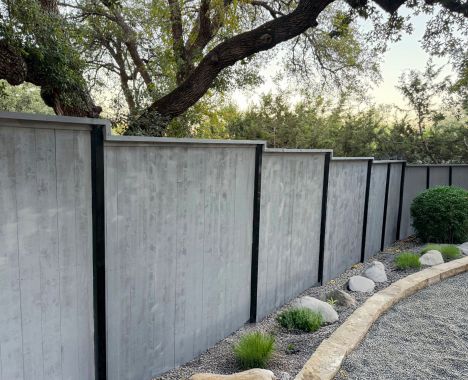
A fence can gradually lose its strength as weather, soil movement, and everyday use affect its components. A leaning post, rattling panel, or gate that refuses to close may seem minor, yet these problems can interfere with privacy, access, and the appearance of your yard. Timely Fence Repair allows homeowners to address visible damage before deciding whether larger improvements are necessary. Sagamore Fence & Deck can be considered when evaluating outdoor boundary concerns. Understanding the source of the problem helps you choose suitable repairs, protect surrounding landscaping, and make informed decisions about maintaining the structure over time.
Read the Damage Before Replacing Anything
Different symptoms can point to different underlying problems. A loose panel might need new fasteners, while a leaning section may indicate movement around its supporting posts. Splintered boards can suggest moisture exposure or age, and a sagging gate may have worn hinges. Effective Fence Repair begins with examining the affected area rather than treating every defect the same way. Check nearby sections too, because similar wear may appear along the same boundary.
Fence Repair for Posts That Have Shifted
Posts support the entire structure, so their condition deserves particular attention. Soil erosion, poor drainage, frost movement, or weakened footings can cause posts to tilt. Simply pulling a post upright may not provide a lasting solution if its base remains unstable. During Fence Repair, the supporting area should be assessed to determine whether reinforcement, resetting, or replacement is appropriate. The correct method depends on the post material, soil conditions, and extent of movement.
Wooden Boards Need Material-Specific Care
Wooden fences experience changing moisture levels as seasons shift. Boards may crack, warp, soften, or develop surface discoloration when exposed to persistent dampness and sunlight. Examine the surrounding timber before replacing an individual board, especially where damage appears near the ground. Suitable Fence Repair may involve replacing deteriorated sections, securing loose boards, and applying an appropriate protective finish. Keeping vegetation trimmed away from timber can also improve airflow and make future inspections easier.
Metal and Vinyl Components Require Different Approaches
Metal fencing can develop corrosion where protective coatings become damaged. Inspect joints, connectors, and exposed areas for flaking finishes or weakened sections. Vinyl panels, meanwhile, may crack after impact or become loose when their connections shift. Repair techniques must match the product and the severity of the defect. Before beginning Fence Repair, identify the material and check whether replacement components are compatible with the existing structure. Incorrect fasteners or unsuitable adhesives can create additional problems.
Restore Gate Movement and Secure Closures
A gate receives repeated movement, making hinges, latches, and alignment points especially vulnerable to wear. If the gate drags across the ground, inspect its hinges and supporting post before adjusting the latch. Tightening hardware may solve a small issue, but bent components or a weakened frame can require more substantial attention. Proper Fence Repair should restore smooth movement without forcing the gate into position. Regular lubrication and occasional hardware checks can help maintain convenient access.
Fencing Services for Ongoing Property Care
Homeowners may need help with isolated damage, worn gates, unstable sections, or broader boundary maintenance. Suitable Fencing Services can include inspecting existing structures, identifying repair priorities, replacing affected components, and assessing whether an older fence remains practical to maintain. Explaining the location and type of damage helps establish the appropriate scope of work. An inspection can also reveal whether a small repair will address the issue or whether several connected sections need attention.
Fence Repair After Seasonal Weather Changes
Strong winds, heavy rainfall, falling branches, and freezing conditions can place additional stress on outdoor structures. After severe weather, walk along the boundary and look for displaced panels, exposed fasteners, damaged boards, or changes in post alignment. Keep clear of sections that appear unstable until they have been assessed. Prompt Fence Repair can address weather-related defects and help prevent loose materials from creating further damage. Photographing affected areas may also help document the condition before work begins.
Decide Between a Local Fix and Wider Replacement
Repairing one section can be sensible when the remaining structure is stable and the materials are available. However, widespread decay, repeated post failures, or extensive corrosion may make continued patching less practical. Compare the condition of neighboring sections, the expected maintenance requirements, and the cost of compatible replacement parts. Sagamore Fence & Deck can be considered when exploring possible approaches to damaged boundaries. A clear assessment helps homeowners compare repair and replacement options without assuming that every aging fence requires complete removal.
Conclusion
A damaged fence does not always need to be replaced from end to end. Careful inspection can reveal whether loose hardware, deteriorated boards, shifted posts, or worn gate components are responsible for the problem. Addressing those issues with suitable Fence Repair can help preserve the existing structure and maintain the usefulness of your outdoor space. Sagamore Fence & Deck is an option to consider when reviewing your property’s needs. By monitoring changes, maintaining materials appropriately, and responding to defects early, homeowners can make more informed decisions about their boundaries.