Branded Promotional Products That Shape a Distinctive Brand Identity

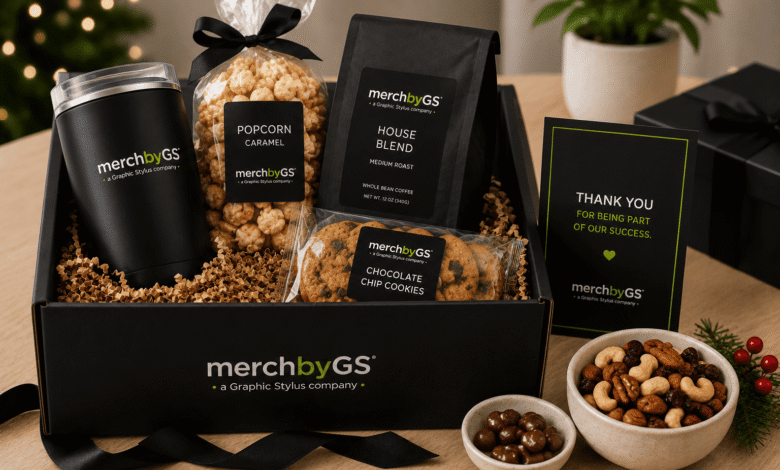
A recognisable business identity develops through repeated, consistent experiences rather than a single advertisement. Physical merchandise gives companies another way to introduce their values, design language, and personality into everyday environments. Branded Promotional Products can appear in meeting rooms, training sessions, exhibitions, and customer welcome packages, allowing people to encounter a company’s identity beyond digital platforms. Merch by Graphic Stylus offers a creative perspective on merchandise selection, where useful products and thoughtful artwork work together. With a clear purpose behind each choice, businesses can create items that complement their communication strategy and remain relevant to their intended audience.
Branded Promotional Products Start With Audience Insight
Before selecting merchandise, businesses should understand the people they want to reach. Employees, existing clients, event visitors, and prospective customers have different expectations. Their routines can reveal which products might prove useful instead of becoming forgotten possessions.
Companies developing Branded Promotional Products should consider professional roles, age groups, working environments, and everyday preferences. For example, a design agency attending a portfolio exhibition could distribute compact sketchbooks, while a consultancy hosting training sessions might choose document folders. These decisions connect the merchandise to real activities. As a result, recipients have a practical reason to retain and use the items.
Give Brand Colours a Purposeful Role
Colours communicate mood and influence how people recognise a visual identity. However, applying every brand colour to every product can create an untidy appearance. A more deliberate approach considers contrast, material, printing limitations, and the size of each design surface.
When developing Branded Promotional Products, businesses should establish a clear visual hierarchy. The logo may receive the greatest attention, while supporting text and decorative elements remain secondary. A light background can improve visibility for darker artwork, whereas a suitable contrasting treatment may help logos stand out on fabric. Consistency matters, but flexibility also allows the design to suit different merchandise formats without losing its identity.
Select Merchandise That Serves a Clear Function
Useful products often fit naturally into daily routines. Cable organisers, document sleeves, lunch bags, and writing accessories can serve different purposes depending on the audience. Businesses should assess these functions before choosing an item simply because it looks attractive in a catalogue.
Well-planned Branded Promotional Products combine practical value with a sensible presentation. A portable accessory may suit travelling professionals, while a desktop organiser could work better for people who spend most of their day in an office. The product should also match the occasion and distribution method. Considering these details helps companies create merchandise that supports a genuine need and reflects their identity appropriately.
Corporate Gift Ideas for Stronger Professional Connections
When reviewing Corporate Gift Ideas, businesses can consider how different occasions shape the recipient’s expectations. A welcome package for a new employee might include a notebook, an identification holder, and a useful desk accessory. For a business anniversary, a carefully presented personalised organiser could mark the occasion more appropriately. Product quality, packaging, and relevance should guide the final selection. Rather than adding numerous items without a clear purpose, organisations can create a more coherent gift by choosing a few complementary products that suit the relationship and reflect their established brand style.
Prepare Artwork for Different Printing Surfaces
Artwork that looks sharp on a computer screen may need adjustments before production. Fabric, paper, metal, and rigid plastic have different surface characteristics, so each material can affect colour appearance and fine details. Businesses should discuss these limitations before approving final designs.
For Branded Promotional Products, simplified artwork can improve legibility on smaller objects. Designers should check the logo’s proportions, spacing, colour contrast, and minimum text size. They should also confirm that the selected printing method suits the material. Where possible, reviewing a physical sample provides a clearer understanding of the finished appearance. These checks help businesses make informed decisions before committing to a larger quantity.
Organise Orders Around Real Distribution Needs
Ordering merchandise requires more than estimating how many people might attend an event. Teams should consider registration numbers, additional staff, storage capacity, delivery schedules, and the possibility of future activities. A realistic estimate can prevent both shortages and unnecessary leftover stock.
Businesses ordering Branded Promotional Products should also compare the full cost of each option. Product prices, customisation, packaging, transportation, and storage can influence the overall budget. A simple planning sheet helps purchasing teams record quantities, specifications, delivery dates, and approval responsibilities. This organised process makes it easier to compare suppliers and coordinate orders with the marketing calendar.
Connect Physical Merchandise With Digital Campaigns
Physical merchandise can reinforce a wider campaign when its design relates to the company’s digital communication. A product launch might use the same visual theme across presentation folders, event displays, and social media graphics. This connection helps audiences associate separate interactions with one organisation.
Companies can develop Branded Promotional Products using approved campaign artwork while preserving their core logo and colours. For instance, a seasonal campaign may introduce a supporting illustration without changing the company’s established identity. Teams should keep design files organised and communicate artwork requirements clearly to everyone involved. Consequently, each product can feel relevant to the campaign while remaining recognisably connected to the business.
Assess Results and Improve Future Selections
After distribution, businesses should examine whether their merchandise fulfilled its original purpose. Useful indicators include the number of products distributed, recipient feedback, event participation, and enquiries following a campaign. These details provide context for evaluating the overall approach.
Reviewing Branded Promotional Products can also reveal which formats deserve another order and which should be replaced. Teams might discover that recipients frequently use compact organisers but rarely keep decorative accessories. Such observations can inform future budgets and reduce waste. Keeping brief records of product performance, production costs, and audience responses creates a practical foundation for better merchandise decisions over time.
Conclusion
Branded Promotional Products allow businesses to express their identity through objects that support everyday activities and professional interactions. Audience research, functional product choices, adaptable artwork, and organised purchasing all contribute to a more effective merchandise strategy. Merch by Graphic Stylus can be considered by organisations seeking a creative approach to branded merchandise. By connecting product decisions with clear objectives and reviewing results after distribution, businesses can maintain visual consistency while choosing items that genuinely suit their audience. Thoughtful execution makes merchandise a useful part of long-term brand communication.