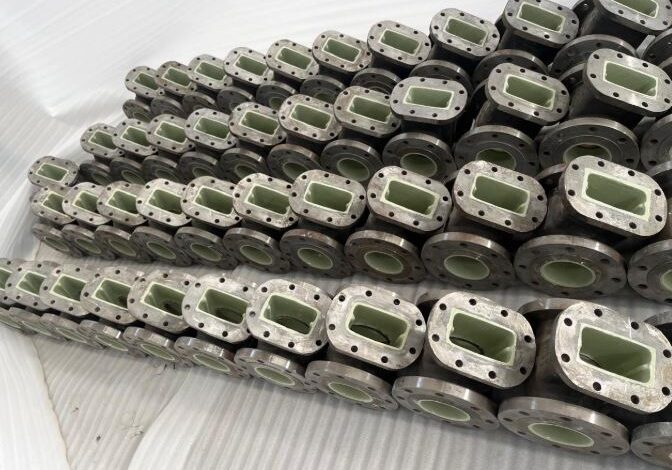
Industrial equipment often operates in harsh environments where moisture, chemicals, heat, and abrasion can cause serious surface damage. Over time, corrosion can weaken components, increase maintenance costs, and reduce equipment life. Therefore, industries need reliable coating systems that provide long-term protection.
A Glass Flake Coating Service offers a practical solution for demanding industrial applications. This coating system uses glass flakes within a resin matrix to create a strong protective barrier. As a result, it helps reduce the penetration of water, chemicals, and corrosive substances.
Unlike ordinary protective paints, glass flake coatings can provide enhanced resistance in aggressive environments. They are commonly considered for tanks, pipelines, vessels, structural components, and other industrial surfaces.
For companies looking for dependable surface protection, Heatman Products provides coating solutions designed around specific industrial requirements. The right preparation, coating system, and application method can significantly improve coating performance.
What Is a Glass Flake Coating Service?
A Glass Flake Coating Service involves applying a specialized protective coating containing small glass flakes. These flakes create a layered structure within the coating after application. Consequently, corrosive substances face a longer and more difficult path before reaching the underlying surface.
The coating normally combines glass flakes with an epoxy, vinyl ester, or other suitable resin system. The exact formulation depends on the operating environment and the material being protected.
Glass flakes also improve the barrier characteristics of the coating. When properly applied, they overlap within the resin and form a dense protective layer. Therefore, the system can offer better resistance against moisture and chemical penetration.
A professional Glass Flake Coating Service also includes surface preparation, primer selection, coating application, curing, and inspection. Each stage affects the final performance of the coating.
Why Glass Flakes Matter
The structure of glass flakes is important because they create a tortuous path through the coating. Water and chemicals must travel around these flakes instead of moving directly toward the substrate.
Furthermore, glass flakes can improve resistance against several forms of industrial wear. This makes them useful where standard paint systems may not provide sufficient protection.
However, coating performance depends on more than the material itself. Proper surface preparation and application thickness remain essential for achieving reliable results.
Key Benefits of Glass Flake Coatings
A Glass Flake Coating Service can provide several advantages for industrial assets. Most importantly, it creates a protective barrier between the substrate and the surrounding environment.
One major benefit is corrosion resistance. Industrial steel surfaces can deteriorate quickly when exposed to water, salts, chemicals, or humid conditions. A properly selected coating helps reduce direct exposure.
Another advantage is chemical resistance. Many industrial facilities handle aggressive liquids and chemicals that can damage ordinary coatings. Glass flake systems can be selected for applications where chemical exposure is a major concern.
Abrasion resistance is another useful feature. Equipment may experience friction, movement, particle impact, or continuous material flow. A suitable coating system can help reduce surface wear.
In addition, these coatings can support longer maintenance cycles when correctly specified and applied. This can reduce downtime and help businesses manage maintenance budgets more effectively.
A professional Glass Flake Coating Service may also provide benefits such as:
- Improved resistance to moisture penetration
- Protection against industrial corrosion
- Better resistance to selected chemicals
- Enhanced surface durability
- Reduced maintenance requirements
- Longer service potential for coated assets
- Protection in demanding industrial environments
However, no coating should be treated as a universal solution. The operating temperature, chemical exposure, substrate condition, and mechanical stress should always guide product selection.
Where Is Glass Flake Coating Used?
A Glass Flake Coating Service is suitable for many industrial applications where corrosion and chemical exposure create operational challenges.
Storage tanks are one common application. Tanks may hold water, chemicals, wastewater, fuels, or other industrial materials. Their internal and external surfaces can require specialized protection depending on the stored substance.
Pipelines can also benefit from protective coating systems. Internal surfaces may face chemical attack and abrasion, while external surfaces can encounter moisture and soil conditions.
Industrial vessels and process equipment represent another important application. These assets often operate continuously and may experience chemicals, pressure, temperature changes, and mechanical wear.
Wastewater treatment facilities can also use specialized coating systems. Such environments frequently contain moisture and aggressive substances that can accelerate corrosion.
A properly planned Glass Flake Coating Service can therefore be considered for applications including:
- Chemical storage tanks
- Process vessels
- Industrial pipelines
- Wastewater equipment
- Steel structures
- Marine and offshore components
- Concrete and steel surfaces
- Industrial flooring and containment areas
Before selecting a coating, engineers should evaluate the actual operating conditions. This approach helps avoid premature coating failure.
How a Professional Glass Flake Coating Service Works
A successful Glass Flake Coating Service begins with proper inspection. The coating team should examine the substrate and identify rust, old coatings, contamination, cracks, or surface defects.
Next, surface preparation removes unwanted material. Depending on the substrate and project requirements, methods may include abrasive blasting, mechanical cleaning, or other approved preparation techniques.
Surface cleanliness is critical because coatings need a suitable surface for strong adhesion. If oil, dust, rust, or moisture remains underneath, coating performance can suffer.
After preparation, the applicator applies the specified primer or base layer. The coating system is then built according to the manufacturer’s recommended thickness and application procedure.
The Glass Flake Coating Service may involve multiple coats. Each layer needs suitable curing conditions before the next stage begins.
Finally, the finished coating should undergo inspection. Thickness checks, visual inspection, adhesion testing, and holiday detection may be used depending on the project.
Best Practices for Better Results
Several practices can improve coating performance:
- Prepare the surface thoroughly before application.
- Select the resin according to chemical exposure.
- Maintain recommended coating thickness.
- Control temperature and humidity during application.
- Follow specified curing times.
- Inspect each completed coating layer.
- Repair damaged areas before commissioning equipment.
These steps may appear simple, but they can have a major impact on coating life.
Why Professional Application Makes a Difference
Choosing a quality Glass Flake Coating Service is important, but professional application is equally important. Even a high-performance coating can fail when contractors overlook preparation or application requirements.
Experienced applicators understand how environmental conditions affect coating performance. They can also identify problems that may not be visible to an untrained observer.
For example, excessive moisture during application can affect adhesion and curing. Similarly, incorrect coating thickness can reduce the expected performance of the system.
Professional teams also follow project-specific procedures instead of applying the same coating method everywhere. This approach allows the coating system to match the equipment and operating environment.
Heatman Products focuses on industrial coating requirements and can help businesses select suitable protective coating solutions. A project-specific approach provides better control over application quality and long-term performance.
Glass Flake Coating Service vs. Conventional Coatings
Traditional industrial paints can provide basic protection, but demanding environments may require more specialized systems.
A Glass Flake Coating Service can offer a stronger barrier structure because of the glass flakes distributed through the resin. This structure can slow the movement of corrosive substances through the coating.
Conventional coatings may work well in mild environments. However, aggressive chemicals, continuous moisture, and abrasive conditions can require enhanced protection.
The correct choice should always depend on the application. Cost, chemical compatibility, temperature, substrate condition, expected service life, and maintenance plans should all be considered.
Therefore, businesses should avoid choosing a coating based only on its initial price. A coating that lasts longer can provide better overall value by reducing repairs and downtime.
Frequently Asked Questions
1. What is a Glass Flake Coating Service?
A Glass Flake Coating Service applies resin-based protective coatings containing glass flakes. These coatings create a strong barrier against corrosion, chemicals, moisture, and selected forms of abrasion.
2. Where can glass flake coatings be applied?
A Glass Flake Coating Service can be used on tanks, pipelines, vessels, steel structures, wastewater equipment, and other industrial surfaces. The exact system depends on operating conditions.
3. Does glass flake coating prevent corrosion?
A Glass Flake Coating Service helps protect the substrate by limiting contact with moisture, chemicals, and corrosive agents. Proper surface preparation and application remain essential.
4. How long does glass flake coating last?
The service life of a coating varies according to exposure, substrate condition, coating thickness, application quality, and maintenance. A properly specified Glass Flake Coating Service can provide durable industrial protection.
5. How should I choose a coating provider?
Look for experience, proper surface preparation practices, inspection procedures, suitable coating technology, and project-specific recommendations. A reliable Glass Flake Coating Service provider should understand your operating environment before recommending a system.
Conclusion
Industrial equipment needs dependable protection when it faces corrosion, chemicals, moisture, and mechanical wear. A Glass Flake Coating Service provides a specialized barrier that can help protect valuable assets in demanding environments.
However, successful results depend on correct material selection, surface preparation, application thickness, curing, and inspection. Therefore, businesses should treat coating as a complete protection system rather than simply a layer of paint.
For industrial projects that require reliable surface protection, Heatman Products can help evaluate coating requirements and identify suitable solutions. If your equipment needs enhanced corrosion or chemical protection, consider a professional Glass Flake Coating Service tailored to your operating conditions.